Mumbai Monologues – A Thousand Unsaid Words
Somewhat of a review …

From the moment I began to discuss Agaram Productions involvement in the Auckland Pride Festival Gala ‘Le Jeu de Mechant’, Mumbai Monologues felt like a good bet to me. I was thrilled when they agreed to be part of it.
Ahi Karunaharan and co-director Padma Akula were a dream to work with as were their cast and musicians. We had fun. That’s always a great start.
After the performance a lovely friend told me he’d cried at the beauty of their work. I suggested alcohol. He denied it. It all sounded great, so I decided to experience it for myself and to go with my family.

Padma Akula – co-director
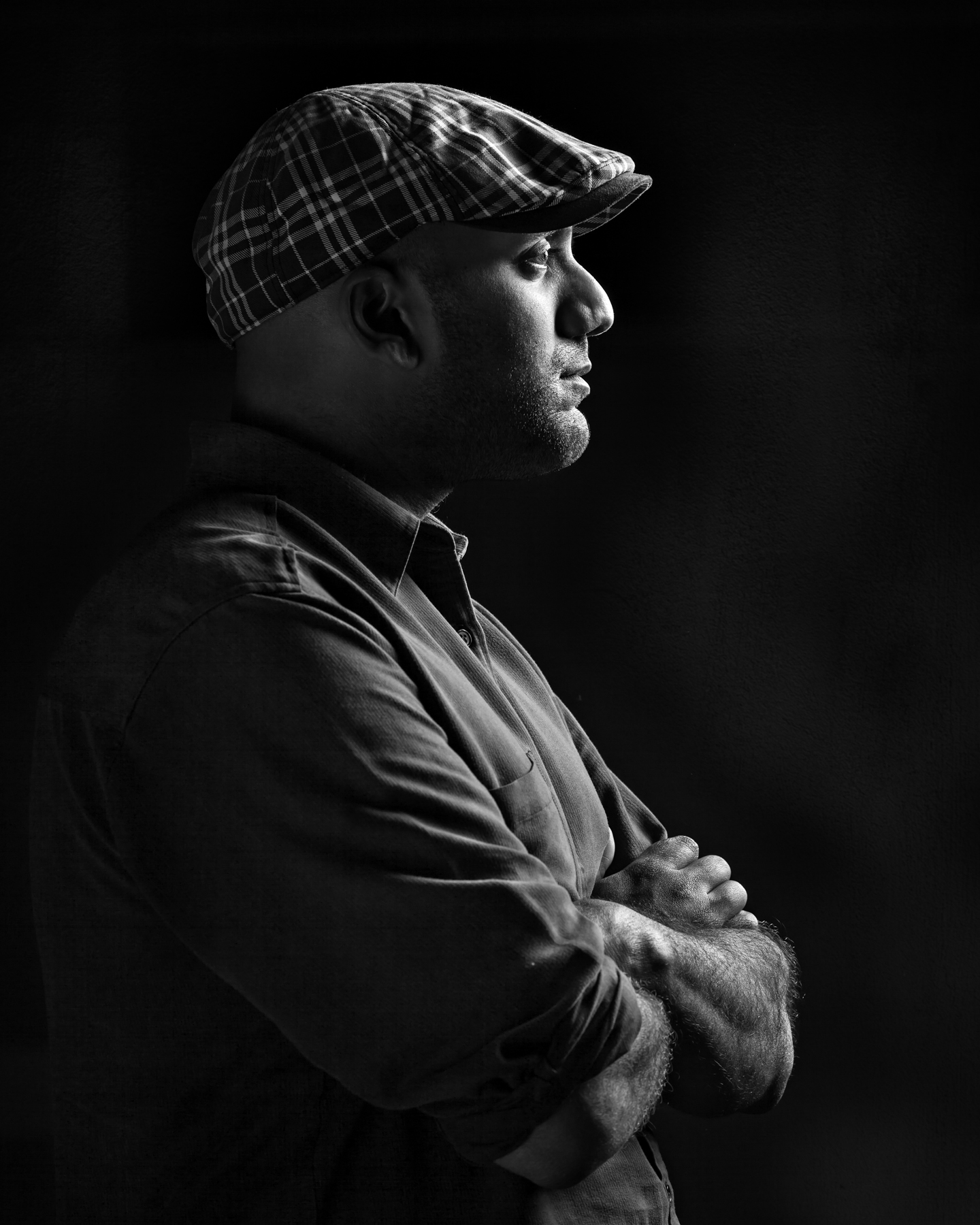
Ahi Karunaharan – co-director
It’s hard to imagine this not being one of my favourite works in the festival.
I love a marriage between live music and spoken text as anyone who has followed my own work will testify. I wonder if there is such a person lurking in the shadows somewhere on the planet – it’s been awhile!
Music, well chosen, opens the ear and the heart in ways that facilitate both understanding and emotional response and melds the two into one.
The music in this show is quite superb throughout, both culturally evocative and telling in its pace and content. The three piece group of Say Anti (vocals), Karen Plimmer (piano) and Kim Gruebner (violin) is quite superb in particular in the way they manage to remain in focus but also get lost on the perimeters of the collective narrative. There are four original compositions, each of which anchors the work and draws us inexorably in. Kim Gruebner’s Mumbai Auckland Style, Sayanti and Jennifer D’Souza’s Monsoon Love and Hold On Tight are wonderful but it’s Sayanti and Marie Wills’ beautiful and haunting Jaa Uda Jaa that has stayed with me and won’t leave my head alone.

Kim Gruebner – violin/composer
The show is essentially what the name implies, eight interlinking monologues that traverse the queer experience from a sub-continental point of view. It’s not all ‘Indian’ per se, but the cultural links are evident in most of the works.
Some of the monologues attest to personal influences and others external influences – Train Therapy by Gyan Prakash, Is This How We Date? By Stephanie Georgopulous, I Don’t Need the Permission of Your Lordships to Love and the writings of Paul Singh are the ones mentioned.
Three monologues have been written by Sananda Chattergee and one by Poorna Prakash. One was written by the artist performing the piece, Anita Crisinel. All were excellent and it seems pernickety to single out a few but time and space prohibit a full review of all the monologues at this time. This is a working blog so this will change when I get the time and opportunity.
My personal picks are Adrift, written by Poorna Prakash and performed by Anya Banerjee, Raj Singh as Manjit in Mumbai Nights, Aman Bajaj as Faisal in Section 377 and Emma in Memories, written and performed by Anita Crisinel.
Adrift is a delicate piece that scans life’s options and finds that the more you have the more complex your life becomes. Banerjee is a subtle actor and she draws us into her dilemma with a tantalising elusiveness that is so very appropriate when debating life’s ‘what to do’ quandary from within and more often than not, alone.

Anya Banerjee – Natasha in Adrift
Raj Singh plays Manjit in Mumbai Nights. He’s quite brilliant. Blessed with fabulous looks and the stature of a Greek god – I’m sorry for mixing my cultural metaphors (no I’m not, he’s delicious!) – Singh is the perfect physical vehicle for a metrosexual dissertation on how to win the perfect woman. I’m fairly sure there were a few women in the room who were quietly exuding the odd ‘hmmm’ as he advanced his thesis, perhaps even the odd one murmuring to herself ‘pick me, pick me’ into a somewhat sad, half empty glass. Like Banerjee, Singh too had a subtle delicacy and a wryness that kept us guessing just how he fitted in way past the end of his monologue.
The prolific Sananda Chattergee wrote the most confronting work of the evening, a powerful testament to friendship and the abject confusion that comes when irrational bigotry is enshrined in ‘law’. Entitled Section 377, it personalises that most insidious of laws, Section 377 of the Indian Penal Code, a code imposed on 42 former British colonies at the height of the Raj and which criminalizes anal sex between men and a range of other homosexual acts. The code was introduced by British colonial authorities in 1861 and was used as a model for sodomy laws in many other British colonies New Zealand being one of them. Section 377 was re-introduced in India in 2013 much to the consternation of almost the entire international community.

Aman Bajaj – Faisal in Section 377
Aman Bajaj plays Faisal with real passion and more than a frisson of anger as he itemises the issues for his gay ‘friend’ should he decide to come home. It’s touching stuff made even more so by placing this piece where it is in the programme. It’s twin themes of anger and loss are shared by every member of the audience.
My personal favourite, however, was Anita Crisinel’s self-penned – do we still ‘pen’ work – Memories and the character of Emma. Deconstructed, it’s a fabulous piece of writing as much for what it doesn’t actually say as for what it does. Crisinel, clearly an astute observer of both behaviour and rhythm, has written out of the text all the distress she wants us to feel and instead added a subtext that soundlessly screams Emma’s instantly recognisable anguish. Crisinel is a fine actor and totally in control of both her material and of us as she quietly narrates a story of love, loss, and the tragic vice-hold religion can have on its followers. It’s a deeply moving account of friendship, of coming out, and of the crash-and-burn train wreck that can occur when faith and creed are thrown into the same-sex cauldron. Crisinel makes us one of those offers we simply can’t refuse and ever so deftly escorts us on a journey to what is anything but enlightenment. She makes magnificent actor choices, is the mistress of understatement and the ‘play against’ and I won’t for a moment deny that most of the tears spattered on our table as she left the stage were mine.

Anita Crisinel – Emma in Memories
The super TAPAC space has the audience sat in the centre with stages raised all around and it works an absolute treat.
Big ups to Ambrose Hills-Simonsen too for some damned fine lighting.
All-in-all a wonderful evening, littered with laughter and watered, I imagine, by more tears than just mine.
Five stars!
 dykiegirl
it is said the big things come in small packages but Raj is a exception..he is a full package in a big bag..!! an amazing actor and an awesome human,had an opportunity in past working with him so can bet on that…all the best dude set the stage on fire !!