A dear friend wrote the following:
“With their permission (of course), I’d love to see this design go viral and so widely worn it shows how ridiculous this law is. Picking on a 12 year old!  Be so good to see all ages, sizes, ethnic groups politicizing their active wear in protest… A sweatshirt in hot or baby pink for me… or light lemon, maybe a purple T-shirt…”

Borrowed from Karlo Mila, thank you.
I followed up with this:
I’m posting this because the image and it’s clear intent represents hope and the innate goodness of people. Not Mark Mitchell MP or Paul Goldsmith or any of our performative politicians, but the people who started this club for their kids and for everyone who chooses to take a step in the direction of a better life.
Goodness rests with the communities we live and work in and contribute to and is not the exclusive domain of politicians. I’d go as far as to suggest that the betterment of the community and the enriching of the lives of our less well-off communities is far from the minds of right-wing politicians hellbent on proving that they’re ‘tough on crime’ by creating laws that give police the power to arbitrarily determine what insignia citizens should and should not wear regardless of how those images are made up or what their proud history might be.
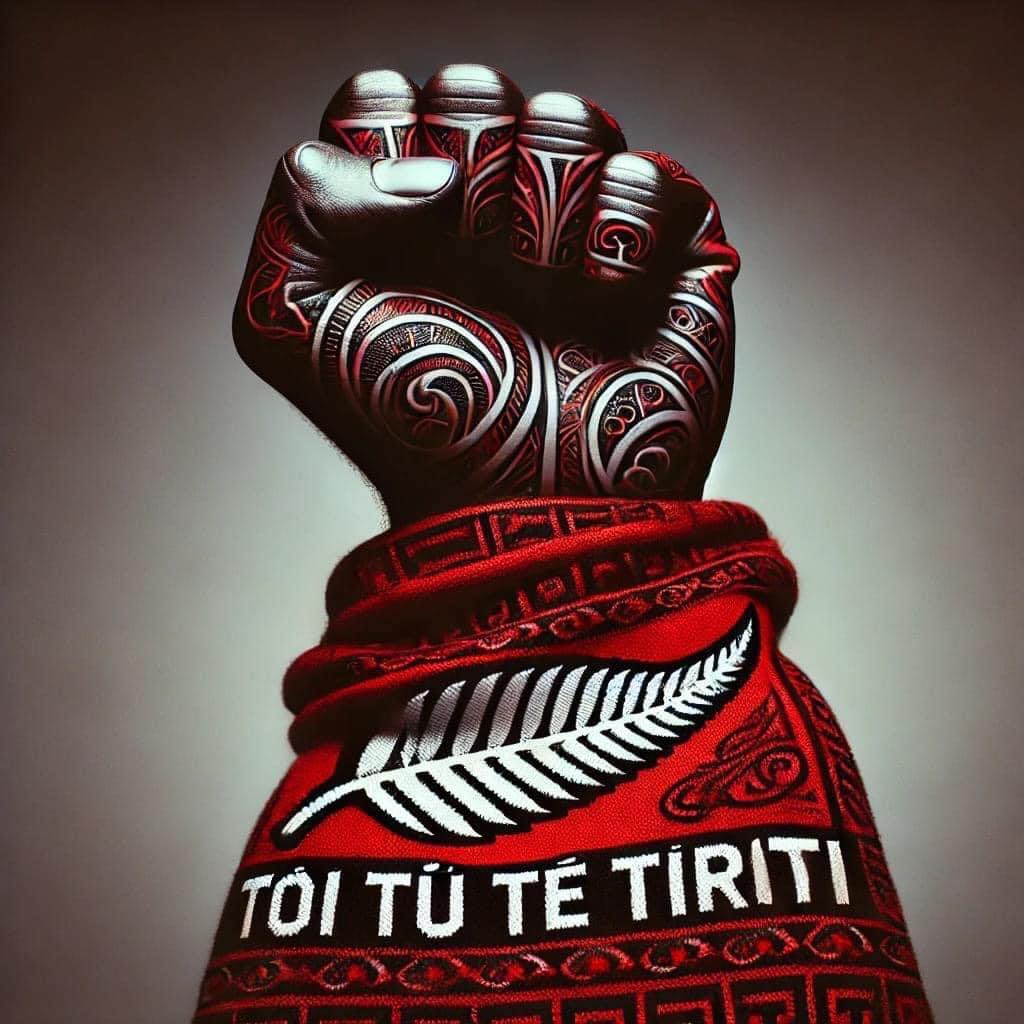
Let’s look at the Black Power movement first since it seems to be at the heart of this issue.
So, where does the term come from? Not Aotearoa that’s for sure. The term black power was first used in the 1850s by black American leader Frederick Douglass as an alternative name for the Slave Power movement.
The earliest known modern usage of the term black power is found in Richard Wright’s 1954 book Black Power.
On 01 May 1965, a few months after the 21 February assassination of Malcolm X, an African American revolutionary, Muslim cleric, and human rights activist who was prominent during the civil rights movement, Grace and James Boggs created the National Organization for Black Power, as a coordinating group of grassroots activists that looked to establish a concrete program for black self-determination centered in the cities.
So, the initial inception of black power as a contemporary political and social concept took place in the US in the 1960s not in Aotearoa New Zealand, and as a direct result of the assassination of Malcolm X and not some arcane event that happened here.
In Aotearoa, Black Power was formed as the Black Bulls by Reitu Harris in around 1970 but was changed to Black Power in 1971. The organisation was founded in response to the evolution of rival groups, including white power gangs, and the movement quickly spread to other major centres and to rural towns throughout Aotearoa New Zealand.
Founder Reitu Harris was very politically aware, and during the early 1980s Black Power gained some credibility with social activist Denis O’Reilly joining, former judge Bill Maung acting as their political advisor. Prime Minister Robert Muldoon met with gang leadership and helped them find accommodation and to form work trusts.
That was the 70s, now is now. What was acceptable is now banned.
Now let’s look at the Black Power insignia since it seems to be getting the most heat.

The banned insignia, like the name, is an unoriginal composite of commonly used images – the name of the organisation (sometimes manga kahu), and where the wearer is from (see image above). Thousands or organisations use exactly the same model – sports clubs, churches, the military, even the police (see later images).
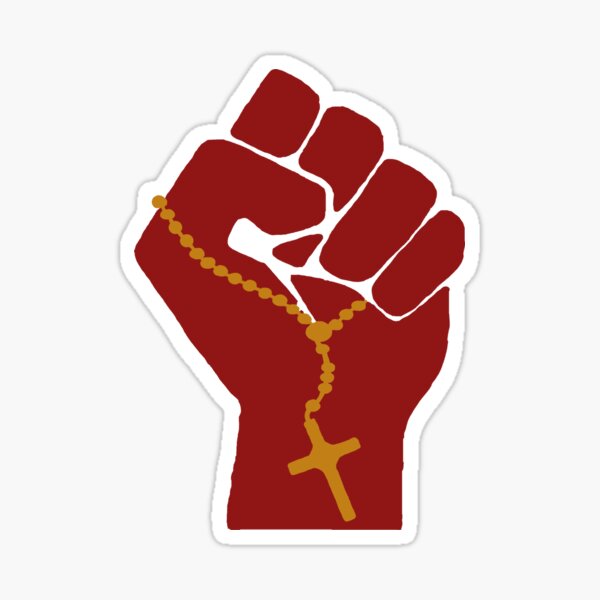
The clenched fist facing outwards is also an image in the common and public domain (see later images).
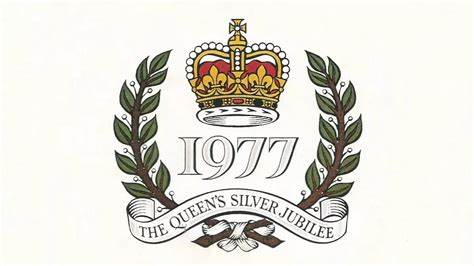
Encircling the fist are a brace of laurel leaves, again commonly used to imply valour, courage, and honour. Our military and the police both use this imagery (see embedded images).
Most users have colours to help identify them – like the All Blacks, the Red Devils, the White Ferns etc.
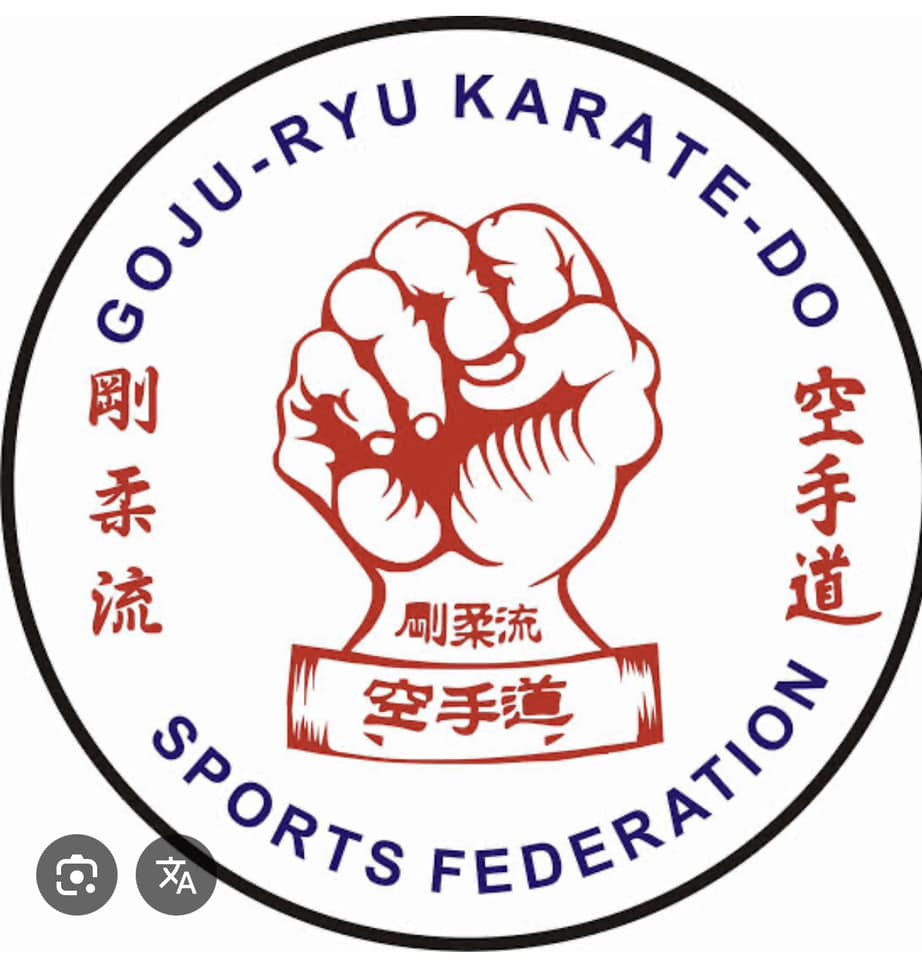
As a long-time karate practitioner, I wear that banned fist on my clothing and on my skin. It’s the reproduction of a line drawing shared by Chojun Miyagi Sensei, the founder of Goju-Ryu Karate over 100 years ago. I’ve trained in Goju-Ryu karate for over 20 years and it’s changed me for the better in countless ways. We wear a distinctive uniform with a patch depicting our style.

It’s also been picked up by tens of thousands of other organisations over the decades mostly to represent unity, solidarity, and strength of purpose. Peace groups, unions, political movements such as Black Lives Matter, and yes, Black Power.
I’ve proudly worn the fist but I’ve also proudly worn the Laurel leaves as has every New Zealand service person and, yes, every serving police officer. We’ve worn them with honour and in the service of all our fellow citizens – yes, ALL of them.

I like to believe that our role as citizens – certainly as service people – is to pick up the broken, the downfallen, the downtrodden, the wet-behind-the-ears newbies, and to go out of our way 24/7 to enable and support anyone wanting to make a positive start, anyone wanting a second chance or a new start, whatever their background and whatever they might be wearing or have worn in the past.

We’re bigger than that, we’re bigger than performative politics, and we all have the responsibility to lead each other and to show the way.

Even the late Queen used the laurel leaves.
My question for @MarkMitchellMP is ‘where do you draw the line?’ It’s pretty obvious NZ Police don’t know the answer if they choose to detain a 12-year-old boy for wearing an insignia similar to but not the same as that of Black Power, an insignia that makes it clear it applies to a boxing club and not to a gang?
Not holding my breath waiting for a response.
Kia kaha!

 dykiegirl