“But I think it is always a shame when people don’t stand up for what it is that they really believe. And I do think the problem we face in New Zealand is that we are reluctant to express firm beliefs in anything. “
Ain’t that the truth!
As long as we remain firmly on the fence – and silent – misogyny, racism, homophobia, and transphobia will win. John Stuart Mill (not Edmund Burke) delivered the 1867 inaugural address at the University of St. Andrews and said: “Let not any one pacify his conscience by the delusion that he can do no harm if he takes no part, and forms no opinion. Bad men need nothing more to compass their ends, than that good men should look on and do nothing. He is not a good man who, without a protest, allows wrong to be committed in his name, and with the means which he helps to supply, because he will not trouble himself to use his mind on the subject.”
Capiche?
And the above relates to Eleanor Catton being called ‘traitorous’ and ‘an ungrateful hua’ by commentator Sean Plunket (I hear you, say no more):
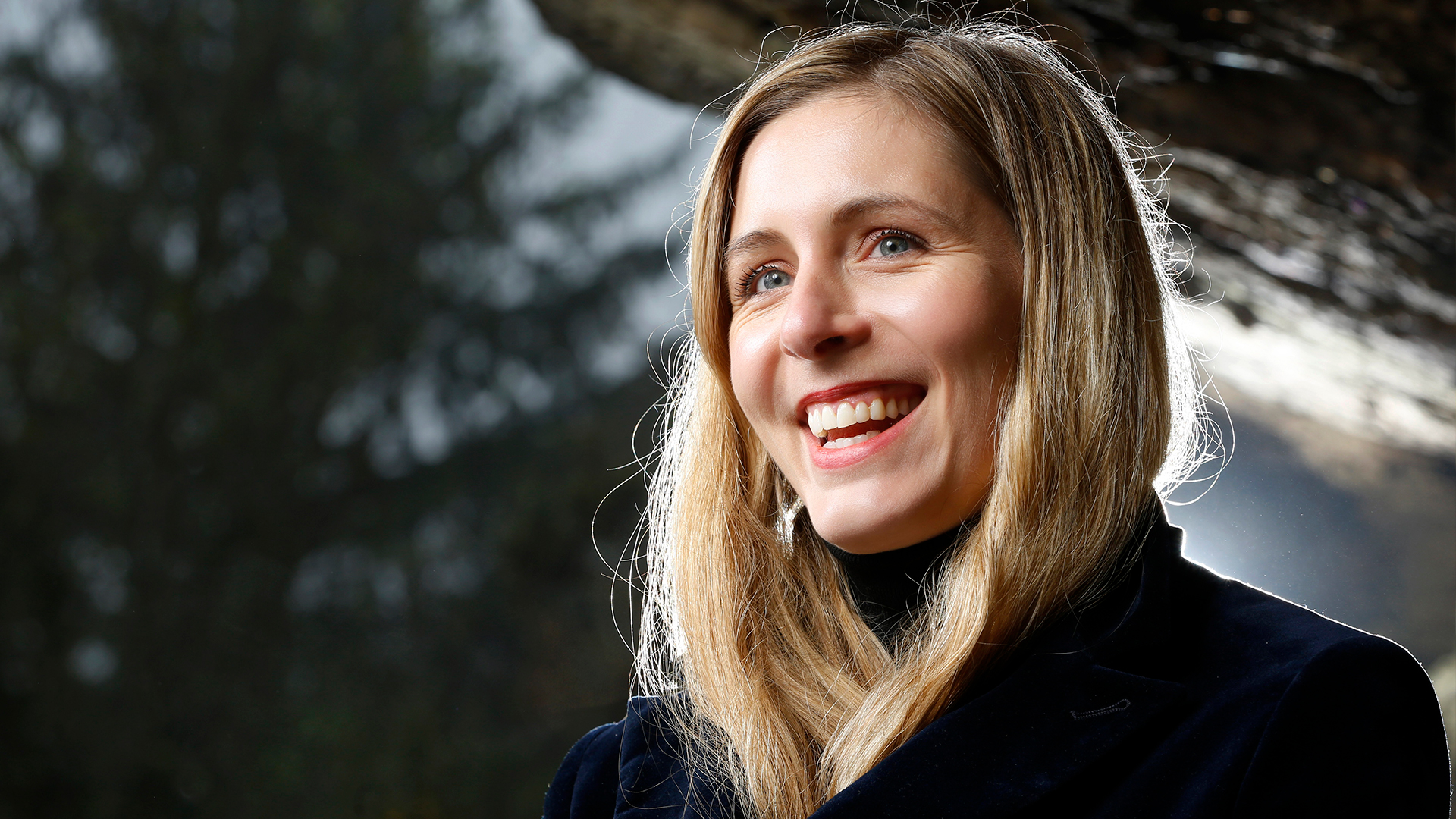
And the above relates to what I wrote a year or so ago:
Given the hooha about Eleanor Catton’s ‘traitorous’ words it might be a good idea to read exactly what she said rather than doing what Key and his juvenile minion Plunket cherry-picked from it. Here is the interview in full: ‘New Zealand has the misfortune in not having a lot of confidence in the brains of its citizens. There is a lot of embarrassment, a lot of discrediting that goes on in terms of the local writers. I, for example, grew up just having a strange belief that New Zealand writers were automatically less great than writers from Britain and America, for example. Because we were some colonial backwater, we weren’t discovered, which I’m hoping will change.
The matter of having this kind of cultural embarrassment about your place in the world, we really need to actively resist that and be brave. I don’t think good literature can come about without bravery. The last thing you want is a whole country of embarrassed writers slinking around. The good side of New Zealand is that there isn’t all that kind of shallow literary fame where everyone’s backstabbing each other. You kind of need a snobbery for those kinds of things to happen.
But I think it is always a shame when people don’t stand up for what it is that they really believe. And I do think the problem we face in New Zealand is that we are reluctant to express firm beliefs in anything. An example would be, I was teaching in class in Auckland. I made up a statement with manifestos from all over the world, different writers who all thought what writing should do or not do. I was going to give it out to my students and have them write about the one that spoke to them the most. When I was putting this document together, I thought, hang on, I don’t have any New Zealand writers here. And I spent an entire day on the Internet trying to find an aesthetic statement from a New Zealand writer and there was nothing. Hopefully in the future, we will have more people being brave in that way.
We have this strange cultural phenomenon called “tall poppy syndrome”; if you stand out, you will be cut down. One example is that the New Zealand Book Award that follows the announcement of the Man Booker Prize, in the year The Luminaries won it, there was this kind of thing that now you’ve won this prize from overseas, we’re not going to celebrate it here, we’re going to give the award to somebody else. If you get success overseas then very often the local population can suddenly be very hard on you.
Or the other problem is that the local population can take ownership of that success in a way that is strangely proprietary. So many people have talked in the media and me directly in ways of 2013 being the year that New Zealand won the Man Booker Prize. It betrays an attitude towards individual achievement which is very, uncomfortable. It has to belong to everybody, or the country really doesn’t want to know about it. I know I shouldn’t complain too much—I’m in such an extraordinary position—but at the same time I feel that in the last year I’ve really struggled with my identity as a New Zealand writer. I feel uncomfortable being an ambassador for my country when my country is not doing as much as it could, especially for the intellectual world. It’s sort of a complicated position to be in. At the moment, New Zealand, like Australia and Canada, (I dominated by) these neo-liberal, profit-obsessed, very shallow, very money-hungry politicians who do not care about culture. They care about short-term gains. They would destroy the planet in order to be able to have the life they want. I feel very angry with my government.’
 dykiegirl